 Schedule Service
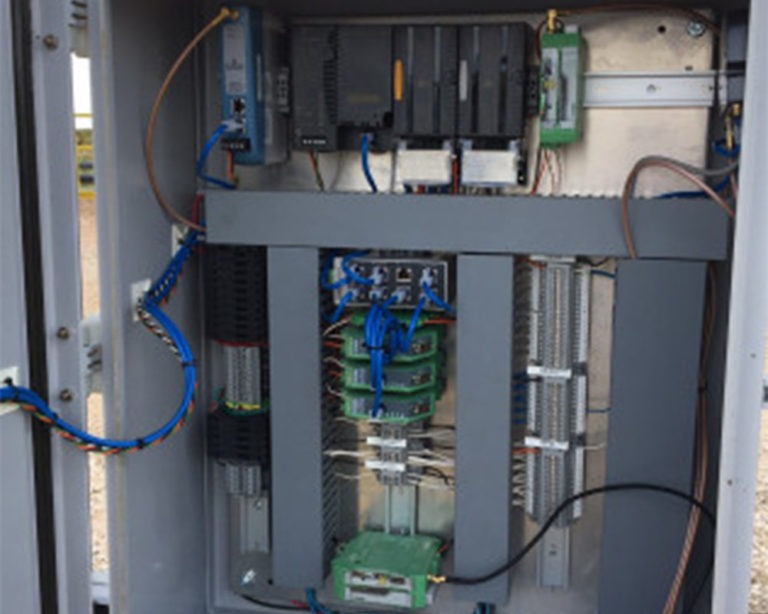
Mastering SCADA Programming for Industrial Automation
A Complete Step-by-Step Guide for Control Systems
What is SCADA and Why Does It Matter?
SCADA stands for Supervisory Control and Data Acquisition, a control system architecture that combines hardware and software to monitor and control industrial processes. These systems collect real-time data from sensors and equipment across facilities, enabling operators to make informed decisions quickly. Whether you manage oil and gas operations, water treatment plants, manufacturing facilities, or power distribution networks, SCADA systems provide the visibility and control necessary for efficient operations.
The core value of SCADA lies in its ability to centralize monitoring and control. Instead of requiring personnel to physically visit remote sites or equipment, operators can view system status, adjust parameters, and respond to alarms from a central location. This capability significantly reduces operational costs while improving response times to critical events. Modern SCADA systems integrate seamlessly with programmable logic controllers (PLCs), remote terminal units (RTUs), and human-machine interfaces (HMIs) to create comprehensive automation solutions.
In Louisiana’s industrial landscape, SCADA systems are particularly valuable for monitoring distributed assets across vast geographical areas. From offshore platforms in the Gulf to processing facilities inland, these systems ensure continuous operation even when physical access is challenging due to weather conditions or remote locations.
Building Blocks of Effective Control Systems
A properly designed SCADA system consists of several interconnected components that work together to provide comprehensive monitoring and control capabilities. Understanding these building blocks is essential for anyone looking to implement or maintain automation solutions.
The field devices layer includes sensors, actuators, flow meters, and transmitters that interface directly with physical processes. These instruments measure variables such as pressure, temperature, flow rate, and level, converting physical phenomena into electrical signals that the system can process. In applications like chemical injection control, precise measurement from field devices ensures accurate dosing and optimal process performance.
PLCs and RTUs form the middle layer, processing data from field devices and executing control logic. PLCs excel in local control applications with fast response requirements, while RTUs are designed for remote installations where communication may be intermittent. Both devices execute programmed sequences, perform calculations, and manage local alarms before transmitting data to the supervisory level.
The SCADA server and HMI comprise the supervisory layer where operators interact with the system. The SCADA server collects data from all connected devices, maintains historical databases, generates alarms, and executes high-level control strategies. The HMI provides graphical displays that represent process conditions in intuitive formats, allowing operators to monitor trends, acknowledge alarms, and adjust setpoints efficiently.
Communication networks tie everything together, using protocols such as Modbus, DNP3, OPC, or proprietary systems depending on the application. Network design must consider factors like distance, environmental conditions, bandwidth requirements, and security to ensure reliable data transmission between all system components.
Strategic Considerations Before You Begin
Successful SCADA implementation begins long before any equipment is installed or code is written. Thorough planning prevents costly mistakes and ensures the final system meets operational requirements both now and in the future.
Start by defining clear objectives. What specific problems will the SCADA system solve? Common goals include reducing manual data collection, improving response times to abnormal conditions, enabling remote operation, optimizing process efficiency, or ensuring regulatory compliance. Documenting these objectives creates a framework for evaluating design decisions throughout the project.
Conduct a comprehensive site assessment to understand existing infrastructure, communication availability, power sources, and environmental challenges. In coastal Louisiana, for example, facilities must account for high humidity, salt air corrosion, and hurricane preparedness when selecting equipment and designing installations. Understanding these constraints early prevents specification of inappropriate components.
Develop detailed functional specifications that describe what the system must accomplish. These specifications should cover data points to be monitored, control sequences to be automated, alarm conditions and priorities, reporting requirements, and integration with existing systems. Well-written specifications provide clear guidance for programmers and serve as acceptance criteria during commissioning.
Consider scalability in your design. Industrial facilities evolve over time, adding equipment, expanding production capacity, or modifying processes. A SCADA architecture that accommodates future growth without requiring complete redesign delivers better long-term value. This might include specifying controllers with spare input/output capacity, implementing modular software design, or selecting communication protocols that support large tag counts.
Budget appropriately for all project phases including hardware, software licenses, engineering, programming, installation, testing, training, and ongoing maintenance. Hidden costs often emerge in communication infrastructure, cybersecurity measures, and system documentation that may not be obvious during initial planning.
Core Skills and Best Practices
SCADA programming requires proficiency in multiple software platforms and programming languages. PLC programming typically uses languages defined in the IEC 61131-3 standard, including Ladder Logic, Structured Text, Function Block Diagram, Sequential Function Chart, and Instruction List. Each language has strengths for different applications, and skilled programmers often combine multiple approaches within a single project.
Ladder Logic remains popular for discrete control applications because its graphical representation resembles electrical relay diagrams familiar to many technicians. Structured Text offers more power for complex calculations and data manipulation, making it ideal for process control algorithms. Understanding when to apply each language improves code efficiency and maintainability.
HMI development involves creating graphical screens that display process information clearly and enable intuitive operator interaction. Effective HMI design follows established principles: use consistent navigation, apply color meaningfully rather than decoratively, organize information hierarchically, provide context for alarms, and ensure critical information remains visible without excessive scrolling or navigation. Poor HMI design contributes to operator errors and slower response to abnormal situations.
Database configuration connects the SCADA server to field devices, defining tag names, data types, scaling parameters, update rates, and alarm limits. Establishing clear naming conventions from the beginning prevents confusion as systems grow. Many organizations develop standard tag naming structures that incorporate location identifiers, equipment types, and measurement parameters to create self-documenting databases.
Alarm management deserves special attention because poorly configured alarms undermine system effectiveness. Every alarm should require operator response, have clear corrective actions, and be prioritized appropriately. Alarm floods, where dozens of alarms activate simultaneously during upset conditions, overwhelm operators and should be minimized through careful design and testing.
Version control and documentation are critical but often neglected aspects of SCADA programming. Maintaining historical records of program changes, documenting the logic behind control sequences, and creating as-built drawings ensures that future modifications can be implemented safely and efficiently. When multiple engineers work on the same system over years, thorough documentation becomes invaluable.
Ensuring Reliable Long-Term Performance
Rigorous testing distinguishes reliable SCADA systems from those prone to operational disruptions. Factory acceptance testing (FAT) validates hardware and software functionality in a controlled environment before installation. During FAT, programmers simulate field conditions, verify control logic, test alarm responses, and confirm that the HMI displays information accurately. Identifying problems during FAT costs significantly less than discovering them after installation.
Site acceptance testing (SAT) validates system performance in the actual operating environment. SAT includes verifying communication with all field devices, confirming that displayed values match actual conditions, testing control sequences under real process conditions, and ensuring operators can perform all required functions. This phase often reveals issues related to electrical noise, grounding, communication interference, or environmental factors not present during FAT.
Operator training is essential for successful system deployment. Training should cover normal operation procedures, alarm response protocols, manual override capabilities, and basic troubleshooting. Hands-on practice during commissioning, when experienced engineers are available to answer questions, builds operator confidence and identifies user interface improvements before the system enters full production.
Ongoing maintenance keeps SCADA systems running reliably over their operational lifetime. Maintenance tasks include database backups, software updates, hardware inspections, communication network monitoring, and periodic testing of alarm and shutdown functions. Establishing maintenance schedules and documenting all service activities prevents small issues from escalating into major failures.
Cybersecurity has become a critical concern for SCADA systems as more facilities implement remote access and network connectivity. Security measures should include network segmentation, firewall configuration, user authentication, access control, regular security audits, and incident response planning. Balancing operational needs with security requirements requires careful planning and ongoing vigilance.
When you need professional assistance with control system design, programming, or troubleshooting, partnering with experienced specialists ensures optimal results. SCADA Solutions, Inc. brings extensive knowledge of industrial automation to projects throughout Louisiana and Texas. Our team understands the unique challenges of regional industries, from offshore production to chemical processing, and delivers customized solutions that improve operational efficiency and reliability. Whether you need to implement a new SCADA system, upgrade existing controls, or resolve performance issues, our proven methodologies and commitment to quality ensure your automation investment delivers lasting value.